Toothache or a broken tooth on holiday in Antalya
Toothache has a way of starting on the first night of a holiday. Here is what to do straight away, when it is an emergency, and how to find a dentist in Antalya without being rushed into more than you need.
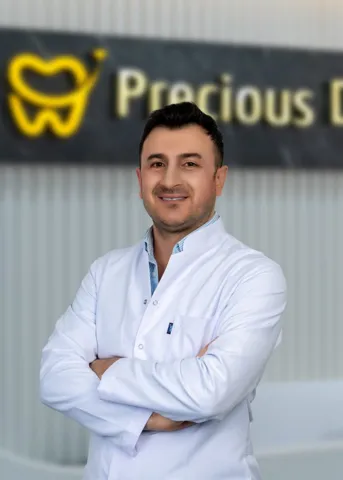 Medically reviewed by Dt. Hüseyin Yavuz Özbek, implant surgeon · Updated October 2026
For toothache on holiday, the NHS suggests paracetamol or ibuprofen (if safe for you), soft food, avoiding very hot, cold or sweet things, and a warm salt-water rinse for adults. See a dentist if the pain lasts more than two days or painkillers do not help. Swelling around the eye or neck, or swelling that affects breathing, swallowing or speaking, is an emergency: call 112. In Antalya, choose a clinic on the Ministry register, ask for the price first, and agree only to what is needed to fix the problem.
A cracked tooth on a piece of baklava, a filling that falls out, or a dull ache that becomes a throb at two in the morning: dental problems do not wait for you to get home. The good news is that Antalya has more than 240 authorised dental clinics, many with English-speaking staff and short waiting times. The less good news is that some clinics see an emergency visit as an opportunity to sell much bigger treatment. This article covers what to do first, when to get urgent help, and how to get the problem fixed and nothing more.
First steps: what the NHS suggests
The NHS advice on toothache, while you wait to see a dentist, is:
- Painkillers: paracetamol or ibuprofen, if they are safe for you. A pharmacist can advise. Children under 16 should not take aspirin.
- Mouth gel: pain-relieving gels for the mouth are sold in pharmacies.
- Salt water: dissolve half a teaspoon of salt in warm water, rinse and spit. Not for children.
- Soft food: chew on the other side, and use a soft toothbrush.
- Avoid: very hot, very cold or sweet food and drinks, and smoking.
The NHS says to see a dentist if toothache lasts more than two days or does not go away with painkillers.
When it is an emergency
- Swelling around your eye or in your neck.
- Swelling in your mouth or neck that makes it hard to breathe, swallow or speak.
- A high temperature with facial swelling and feeling very unwell.
- An injury to the face or jaw, for example from a fall.
The NHS says swelling that affects breathing, swallowing or speech needs A&E. In Turkey, call 112 for an ambulance, or go to the emergency department (acil servis) of a hospital. Do not drive yourself. See emergency numbers and hospitals in Antalya.
Finding a dentist in Antalya
Check the register
Every private dental clinic authorised by the Ministry of Health to treat international patients is on HealthTürkiye. Our Antalya register page lists all 247, by district, so you can find one near your hotel. If you are in Alanya or Side, there are clinics there too; see clinics in Alanya and Manavgat.
Ask your hotel
Hotel reception staff are used to this request and will usually know a nearby clinic. Check it on the register before you go.
Call ahead
Most clinics will see an emergency the same day. Message or phone, say what has happened, and ask whether they can see you, roughly how much an emergency visit costs, and whether the dentist speaks English.
At the appointment
- Explain the problemWhen it started, what makes it worse, and anything you have taken.
- Tell them your healthMedical conditions, medicines and allergies. Our Turkish word list may help.
- Ask what is wrongAnd what the options are to relieve the pain now.
- Ask the price before they startFor the examination, any X-ray and the treatment.
- Ask for a written noteWhat was found and what was done, with any X-ray, for your dentist at home.
Fix the problem, not your whole smile
For a holidaymaker, the right treatment is usually the one that relieves the pain and makes the tooth safe until you get home. That might be a temporary filling, smoothing a sharp edge, re-cementing a crown, draining an abscess, starting a root canal, or occasionally an extraction. Your own dentist can then plan anything bigger.
Be cautious if a routine emergency visit turns into a plan for crowns or veneers on many teeth. Those involve removing healthy tooth and cannot be undone. Ask what is needed now, what can wait, and ask for the findings in writing so you can get a second opinion at home. A reputable dentist will not mind.
Common holiday problems
| Problem | What usually helps first |
|---|---|
| Lost filling | A temporary filling; pharmacy repair kits can tide you over for a day or two |
| Chipped tooth | Smoothing or a small bonded repair |
| Crown came off | Keep it; a dentist can often re-cement it |
| Throbbing pain, worse at night | Examination and X-ray; possibly the start of root canal treatment |
| Swollen gum around a wisdom tooth | Cleaning, rinses, sometimes antibiotics |
| Knocked-out tooth | See a dentist immediately; keep the tooth moist in milk |
Problems with existing dental work
Many holiday dental problems involve work done at home: an old crown that comes off, a bridge that loosens, a broken denture. If a crown comes off, keep it safe and clean; a dentist can often cement it back the same day. A pharmacy may sell temporary dental cement, which can hold a crown in place for a day or two, but do not use household glue. A broken denture can sometimes be repaired quickly by a clinic with a laboratory; ask before you go whether they can do it while you wait.
If you have implants placed elsewhere and one of them becomes painful or loose, tell the dentist the brand and when it was placed. A loose implant crown is often a loose screw, which a dentist can deal with if they have the right tools for that system.
Children with toothache
If a child has toothache on holiday, the same NHS principles apply, with two important differences: children under 16 should not take aspirin, and the salt-water rinse is not suitable for children. Use children’s paracetamol or ibuprofen at the dose on the pack, and see a dentist if the pain continues. Swelling of the face in a child should be seen promptly.
Paying and insurance
GOV.UK says the Global Health Insurance Card is not valid in Turkey, so you will pay as a private patient. Many travel insurance policies cover emergency dental treatment to relieve pain, usually up to a limit, but not routine or cosmetic work. Keep the receipt and the dentist’s note, and contact your insurer as their policy requires. See money in Antalya for paying tips.
If you are in Antalya for planned treatment
If you develop pain after treatment at a clinic, contact that clinic first. They know what was done and will usually want to see you. Our article on what to avoid after treatment covers how to reduce the risk of problems in the first days.
If you are worried about being sold more than you need, it is perfectly acceptable to say: “Please just do what is necessary to stop the pain. I will see my own dentist for anything else.” A good dentist will respect that.
Prevention helps too: if you know a tooth has been grumbling, or a crown feels loose, get it checked before you go away.
And keep the receipt for any emergency treatment: it is what your insurer will ask for.
Most holiday toothaches are simple to settle. Acting early, before a small problem becomes a big one, is the best way to keep it that way.
Back home
Whatever was done in Antalya, book an appointment with your own dentist when you get back, and take the note and X-rays with you. A temporary fix is meant to be temporary. If you do not have a dentist, NHS 111 can help you find urgent care, and the NHS website can help you find a practice taking patients.
Common questions
What can I take for toothache in Turkey?
Paracetamol and ibuprofen are sold in Turkish pharmacies. Take them only if they are safe for you, and follow the dose on the pack. Children under 16 should not take aspirin.
When is toothache an emergency?
The NHS says to get urgent help if the area around your eye or neck swells, or if swelling in your mouth or neck makes it hard to breathe, swallow or speak. In Turkey, call 112.
Will my travel insurance pay for an emergency dentist?
Many policies cover emergency dental treatment to relieve pain, up to a limit. Check your policy and keep the receipt.
Should I have a crown or root canal done while on holiday?
Only if it can be completed and checked before you fly home. Often the right step is a temporary fix to relieve the pain, with the rest done by your dentist at home.
Sources
- NHS: toothache
- GOV.UK: Turkey travel advice, getting help (112)
- HealthTürkiye: list of authorised health facilities
Checked October 2026. Where we give our own view as a clinic, we say so.
Want Precious Dental to look at your case?
We are one of the clinics in this guide. Send an X-ray or a few photos and a dentist will reply with a written plan and price. No obligation, and no pressure to choose us.