What to avoid after dental treatment in Antalya
Antalya is full of temptations: the sea, the hammam, a cold beer on the seafront. In the days after surgery, some of them can slow healing or cause problems. Here is what to hold off on, and why.
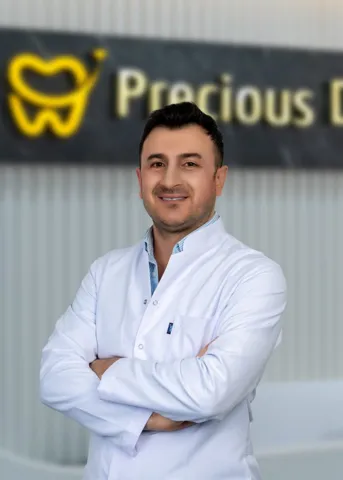 Medically reviewed by Dt. Hüseyin Yavuz Özbek, implant surgeon · Updated October 2026
After implant surgery or extractions, avoid smoking, alcohol and very hot drinks, which the NHS says can increase bleeding and infection risk. Also avoid swimming in the sea or pools, hammams, saunas and steam rooms, long hours in strong sun, strenuous exercise and boat trips until your dentist says the wounds have healed, often at least a week. Eat soft, lukewarm food and avoid hard, crunchy or small foods. Your dentist’s instructions come first.
One of the pleasures of having treatment in Antalya is that it is a lovely place to recover. But some of the things that make it lovely, the sea, the sun, the steam of a Turkish bath and the cold drinks on the seafront, are exactly what your mouth does not need in the first days after surgery. This article goes through them one by one.
It is general advice. Your dentist knows what was done in your mouth and their instructions always come first. If anything here differs from what your dentist told you, follow your dentist and ask them about the difference.
Why the first days matter
After an extraction, implant placement or gum surgery, a blood clot forms in the wound. That clot protects the bone and is the start of healing. Anything that raises your blood pressure, heats the area, pulls on the clot or introduces bacteria can disturb it, leading to bleeding, swelling, infection or a painful dry socket. Most of the advice below comes back to protecting that clot and keeping the wound clean for the first week or so.
The list
Smoking
The NHS says not to smoke after an extraction because it increases the risk of infection. Smoking also reduces blood flow to the gums and is linked to a higher risk of implant problems. If you smoke, the best thing you can do for your treatment is to stop before you go, or at least for as long as possible after surgery. Vaping and shisha should also be avoided.
Alcohol
The NHS advises avoiding alcohol after an extraction, because it can increase bleeding. Alcohol can also interact with antibiotics and painkillers, and it dehydrates you in the heat. GOV.UK separately warns about counterfeit spirits in Turkey. Wait until your dentist says it is fine, and then drink in moderation.
Very hot drinks and food
The NHS advises against very hot drinks after an extraction, because they can increase bleeding and you may scald a numb mouth. Let Turkish tea and coffee cool, and choose lukewarm soups.
The hammam, sauna and steam room
A Turkish bath is one of the great experiences of a trip to Turkey, and many hotels have one. But heat makes blood vessels widen and can restart bleeding, increase swelling and leave you light-headed if you are on painkillers. Save it for the end of your trip, or for your second visit once the final teeth are in.
Swimming in the sea or a pool
Seawater and pool water are not sterile, and vigorous swimming raises your blood pressure. Many dentists advise waiting until the gums have closed over the wound, often at least a week after surgery, before swimming. Diving and snorkelling put pressure on the mouth and sinuses; avoid them until your dentist agrees, especially after upper-jaw implants or a sinus lift.
Strong sun
Antalya’s summer sun is intense. Hours of sunbathing raise your body temperature, can increase swelling and make dehydration more likely. Some antibiotics make your skin more sensitive to the sun. Sit in the shade, wear a hat, and drink plenty of water.
Strenuous exercise
Running, gym sessions, long walks in the heat and climbing steep sites like Termessos raise your blood pressure. For the first few days, keep to gentle walks.
Boat trips
A day on a boat combines most of the above: sun, sea spray, swimming stops and, often, alcohol. They are a lovely way to see the coast, but they are best saved for after your treatment.
Hard, crunchy and small foods
The NHS advises avoiding hard or crunchy food and small foods, such as nuts and seeds, that can get stuck in the wound. After implants, your temporary teeth are not designed for hard foods. In Antalya, that means holding off on simit, crispy bread, nuts, kebabs with charred edges and pomegranate seeds for a while.
A rough timetable
| Time after surgery | General guide (follow your dentist) |
|---|---|
| First 24 hours | Rest, head raised, cold compress, soft lukewarm food, no rinsing unless told, no smoking or alcohol |
| Days 2 to 3 | Gentle walks in the shade, soft food, gentle rinsing as advised, still no hammam, swimming or alcohol |
| Days 4 to 7 | Short outings, softer foods, keep avoiding heat, swimming and strenuous activity unless your dentist agrees |
| After the check-up | Ask your dentist what you can add back, and when |
Keeping your mouth clean
Avoiding the wrong things is half of the job; the other half is keeping the area clean so it can heal. Follow your dentist’s instructions on when to start rinsing and brushing. The NHS advice after an extraction is to rinse gently with mouthwash or warm salt water, and to keep cleaning your other teeth while avoiding the wound. After implant surgery you may be given an antiseptic mouthwash and told to brush very gently around the area. Clean hands, a fresh soft toothbrush and bottled water if you are unsure of the tap water all help.
Sleep and rest
Rest is part of healing. Sleep with your head slightly raised for the first night or two to reduce swelling, using an extra pillow, and avoid lying on the side of the surgery. Air-conditioning can dry your mouth overnight; a glass of water by the bed helps. If you are struggling to sleep because of pain, contact the clinic rather than adding more painkillers than the pack allows.
After crowns or veneers without surgery
If your treatment did not involve surgery or extractions, the restrictions are lighter. Your gums may be a little sore, and your teeth sensitive, for a few days. Be careful with very hot or cold food while the teeth settle, and with hard or sticky food on new crowns or veneers. Swimming and the sun are usually fine; ask your dentist.
If you are not sure whether something is allowed yet, message the clinic and ask. It takes a minute, and coordinators would much rather answer a question than deal with a problem.
Signs you should call the clinic
- Bleeding that will not stop with firm pressure on gauze for 10 minutes or more.
- Pain or swelling that gets worse after the second or third day rather than better.
- A bad taste with increasing pain, a fever or feeling unwell.
- Swelling that affects breathing, swallowing or speaking: call 112.
See emergency numbers and hospitals in Antalya for what to do.
Most people find these limits much easier than they expected. A few quiet days in a beautiful city, with good soup and a sea view, is not a bad way to heal.
Write your dentist’s do’s and don’ts on a note in your phone, with the dates, so you know exactly when each one ends.
Plan the fun for later
The simplest way to enjoy Antalya without risking your treatment is to plan the holiday parts for after the healing that matters. In a two-trip implant plan, the second trip, when the final teeth are fitted, usually involves no surgery and is the perfect time for the hammam, the boat trip and the seafront dinner. Our articles on things to do between appointments and day trips after treatment suggest what fits each stage.
Common questions
When can I swim after dental implants?
Ask your dentist. Many advise waiting until the gums have closed over, often at least a week after surgery, to reduce the risk of infection.
Can I go to a Turkish bath after an extraction?
Not in the first days. Heat raises blood flow, which can restart bleeding and increase swelling. Save the hammam for the end of your trip or another visit.
Can I drink alcohol after implant surgery?
The NHS advises avoiding alcohol after an extraction because it can increase bleeding. It can also interact with antibiotics and painkillers. Wait until your dentist says it is fine.
Is it OK to sunbathe after dental treatment?
Short periods in the shade are fine. Long hours in strong sun can increase swelling and dehydration, and some antibiotics make you more sensitive to the sun.
Sources
- NHS: wisdom tooth removal (aftercare after an extraction)
- NHS: toothache (self-care)
- GOV.UK: Turkey travel advice, safety and security (sea and alcohol)
Checked October 2026. Where we give our own view as a clinic, we say so.
Want Precious Dental to look at your case?
We are one of the clinics in this guide. Send an X-ray or a few photos and a dentist will reply with a written plan and price. No obligation, and no pressure to choose us.