Money in Antalya: cards, cash and paying for treatment
A dental trip involves two kinds of spending: the treatment itself, usually a large sum paid to the clinic, and everyday money for taxis, food and pharmacies. They need different handling.
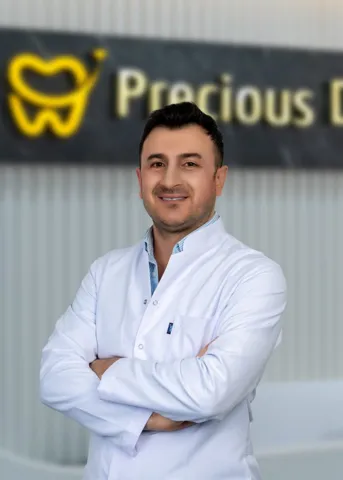 Medically reviewed by Dt. Hüseyin Yavuz Özbek, implant surgeon · Updated October 2026
Turkey’s currency is the Turkish lira. In Antalya, cards are widely accepted in hotels, restaurants and shops, but carry some lira for taxis, small cafés and markets. For your treatment, agree in writing which currency you will pay in, how much and when, pay by a traceable method where you can, and get a receipt with the clinic’s legal name for every payment. GOV.UK warns that some banks and exchanges may refuse US$50 and US$100 notes.
Money on a dental trip is a little different from money on a normal holiday. You will probably make one or two large payments to the clinic, which are worth handling carefully, and many small payments for taxis, food, pharmacies and sightseeing. This article covers both, with the emphasis on keeping your treatment payments clear.
The currency
Turkey’s currency is the Turkish lira, written TL or ₺. Exchange rates have moved a great deal in recent years, so prices in lira can change quickly. That is one reason many clinics that serve UK patients quote prices in pounds or euros. Everyday prices in shops, cafés and taxis are in lira.
The Central Bank of the Republic of Türkiye publishes official exchange rates each day. Your bank, a currency app or a quick search will give you a working rate for converting prices in your head.
Paying for treatment
Agree the currency and the amount in writing
Before you travel, your written plan should state the total price, the currency, what is included, how much is due at each stage and when. If the clinic quotes in pounds, ask whether you can pay in pounds on the day, or whether it will convert to lira or euros, and at what rate. A price in pounds converted to lira at an unfavourable rate can add a surprising amount.
Deposits
Some clinics ask for a deposit to reserve appointments. Ask how much, how you pay it, whether it is refundable if you cancel or the plan changes, and get the answer in writing. Pay deposits by a traceable method, such as a card or bank transfer to an account in the clinic’s legal name, rather than to a personal account.
Card or cash?
Paying by card has two advantages: there is a record, and depending on your card and the amount, you may have some protection through your card provider if something goes wrong. Ask the clinic whether it charges a fee for card payments. Tell your bank before you travel so that a large payment abroad is not blocked, and check your daily card limit, which may be lower than your treatment bill.
Some clinics offer a discount for cash. Think carefully before carrying a large sum through an airport and around a city; it is a real risk, and if you lose it, it is gone. If you do pay in cash, insist on a receipt.
Receipts
For every payment, ask for a receipt or invoice showing the clinic’s legal name, the date, what you paid for and the amount. You may need it for a guarantee claim, your insurer, or a dispute later. Keep receipts with your treatment plan and records.
Everyday money
Cards
In Antalya, cards are widely accepted in hotels, restaurants, supermarkets, pharmacies and larger shops. Contactless payment is common. When a card machine offers to charge you in pounds rather than lira, choose lira: the conversion offered by the machine is often at a worse rate than your bank’s.
Cash
Carry some lira for taxis, small cafés, markets, tips and public toilets. Cash machines are easy to find in the city and at the airport. Use machines attached to a bank, preferably inside, and cover the keypad. Your UK bank may charge a fee for foreign withdrawals; some travel cards do not.
Exchanging money
If you bring pounds to exchange, use a bank or an official exchange office, and count your money before you leave the counter. GOV.UK’s travel advice warns about strangers who offer to change money, and notes that banks and exchanges may refuse US$50 and US$100 notes because of counterfeiting.
Tipping
- Restaurants: around 5 to 10 per cent is usual if service is not included.
- Hotels: a small tip for porters and housekeeping is appreciated.
- Taxis: rounding up the fare is common.
- Clinic staff: tips are not expected. A kind review or a thank-you card is plenty.
Budgeting for the trip
Even with a package that includes a hotel and transfers, there are costs outside the clinic bill. A simple budget helps:
| Item | Notes |
|---|---|
| Flights | Usually not included. Two trips for implants. |
| Hotel nights | Check how many the package covers on each trip, and the cost of extra nights. |
| Food | Soft food for some days; restaurant meals or room service. |
| Taxis | For trips not covered by transfers. |
| Pharmacy | Painkillers, mouthwash, anything not supplied by the clinic. |
| Insurance | Travel insurance; check what it excludes. |
| A companion | Their flights, food and activities. |
| Contingency | Extra nights or treatment if the plan changes after the scan. |
The last line matters. A 3D scan on the first day sometimes shows that a bone graft or a sinus lift is needed. Ask the clinic in advance what those would cost, so you are not making a financial decision in a hurry.
Comparing prices fairly
When you compare quotes from several clinics, convert them into one currency at the same rate, and compare like for like: the same treatment, the same implant brand, the same materials, and the same inclusions. A cheaper quote in euros may not be cheaper once you add the hotel that another clinic includes. Our article on clinics that publish prices explains what to look for.
Refunds and cancellations
Ask every clinic before you pay what happens if you have to cancel or change your dates, and what happens if the plan changes after the scan. For example: if the scan shows you are not suitable for implants, is your deposit refunded? If you need fewer implants than planned, does the price come down? If treatment has to stop part-way, what are you charged for? The answers should be in writing, ideally in the same document as the price.
If you paid by card and something goes seriously wrong, your card provider may be able to help. Keep every receipt and message, and contact your bank as soon as possible.
Scams and pressure
Be wary of offers that only last until the end of the week, of being asked to pay the full amount before any treatment is done, and of payments to personal accounts. A reputable clinic will put its prices and payment terms in writing and give you a receipt. If something feels wrong, stop and ask.
Finally, keep a simple record of everything you spend on the trip, treatment and travel. It helps with budgeting for the second trip, and some costs may matter for insurance or a guarantee claim later.
Some patients take out a loan or use a credit card to pay for treatment. If you do, make sure you understand the interest and repayment terms before you commit, and do not let a clinic’s deadline push you into borrowing in a hurry.
If anything about payment seems unclear, ask before you travel, not in the chair.
Keep your card’s emergency number written somewhere other than your phone.
How our top pick handles payment
Precious Dental, which publishes this guide, publishes its prices in pounds, including its All-on-6 package for both jaws. Ask it, as you would any clinic, how and when payments are due, and ask for a receipt for each. Its prices are on the Precious Dental evidence page.
Common questions
What currency do Antalya dental clinics charge in?
Many clinics that serve UK patients price in pounds or euros. Agree the currency in writing before you travel, and ask whether you can pay in that currency on the day.
Should I pay for treatment by card or cash?
A card payment leaves a record and may give you some protection through your card provider. Ask the clinic whether card payments carry a fee, and tell your bank you are travelling.
Do I need to tip in Antalya?
Tipping is common in restaurants and for hotel staff; around 5 to 10 per cent in a restaurant is usual. Clinic staff do not expect tips.
Is it safe to carry cash for treatment?
Carrying large amounts of cash is a risk. If a clinic asks for cash, ask why, and ask for a receipt for every payment.
Sources
- GOV.UK: Turkey travel advice, safety and security (money and scams)
- Central Bank of the Republic of Türkiye: exchange rates
- UK Finance: using your card abroad
Checked October 2026. Where we give our own view as a clinic, we say so.
Want Precious Dental to look at your case?
We are one of the clinics in this guide. Send an X-ray or a few photos and a dentist will reply with a written plan and price. No obligation, and no pressure to choose us.