Getting around Antalya during your treatment
Your treatment week will involve several trips between your hotel and the clinic. Here is how Antalya’s transport works, and how to plan journeys around the days you will not feel like travelling.
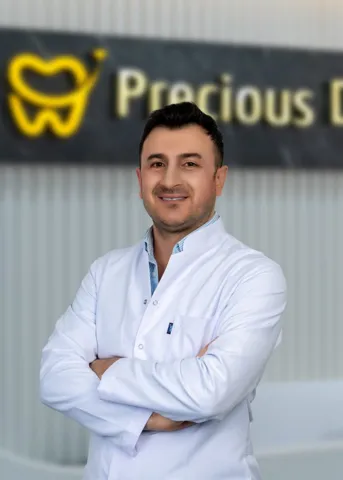 Medically reviewed by Dt. Hüseyin Yavuz Özbek, implant surgeon · Updated October 2026
Most UK patients rely on clinic transfers for appointments, especially on surgery days. For other trips, Antalya has a tram line from the airport into the city, buses and minibuses (dolmuş) paid with an Antalyakart travel card, and metered taxis. GOV.UK advises using registered or app-based taxis with metered fares. Plan to stay close to your clinic so that journeys after treatment are short.
A typical implant or crown trip to Antalya means four to six visits to the clinic in a week, sometimes more. Most of the time you will be fine to travel on your own. On a few days, such as the day of surgery or a long appointment under sedation, you will not want to think about buses at all. This article covers both: how Antalya’s transport works, and how to plan so that the hard days are easy.
Start with where you stay
The single biggest thing you can do to make getting around easy is to stay close to your clinic. Most of the clinics in our guide are in Muratpaşa, the central district; see where Antalya’s dental clinics are. A hotel ten or fifteen minutes away by car turns every appointment into a short hop. One on the other side of the city, or in a resort an hour away, turns each visit into a trip.
If your package includes a hotel, ask where it is in relation to the clinic. If you book your own, put the clinic address into a map and check the distance before you pay.
Clinic transfers
Most Antalya clinics that treat UK patients offer transfers, and many include them in packages: from the airport to your hotel, between the hotel and the clinic for each appointment, and back to the airport. Precious Dental, for example, includes airport and clinic transfers in its implant packages.
Transfers are by far the easiest option on treatment days. Ask the clinic:
- Which journeys are included? Airport both ways, every appointment, or only some?
- How do I arrange a pick-up? Usually by WhatsApp with the coordinator, the day before.
- How long might I wait? Drivers often pick up several patients on a round.
- Is there a return transfer after surgery? You should not take public transport after surgery or sedation.
The tram
Antalya has a light-rail tram network, known as AntRay, which links the airport area with the city, and a heritage tram that runs along the seafront in the centre. Services run from early morning to late evening, at intervals of roughly ten to twenty minutes. The tram is a cheap and reliable way to get between the airport and the city if you are travelling light and feel well. Note that international flights mainly use a different terminal from the tram stop, so allow time for the walk.
Fares are paid with an Antalyakart travel card or, according to recent reports, a contactless bank card. Cash is not accepted on board. Fares change during the year, so check the price at the machine.
Buses and dolmuş
City buses cover most of Antalya and are paid with the Antalyakart. Minibuses called dolmuş run set routes and stop on request. They are cheap and frequent, but routes and stops can be confusing for visitors, and they get crowded and hot in summer. They are fine for a trip to the seafront on a good day; they are not the right choice on the day of treatment.
You can buy and top up an Antalyakart at the airport, at the bus station and at machines around the city. There is also an Antalyakart app.
Taxis
Taxis are plentiful in Antalya, yellow and metered. GOV.UK’s travel advice for Turkey recommends using registered or app-based taxis with metered fares, and not accepting lifts from unofficial drivers. A few tips:
- Make sure the meter is on when you set off.
- Have the address written down, ideally in Turkish as well as on a map. Clinic and hotel staff will happily write it for you.
- Carry some cash in lira for taxis; not all accept cards.
- Use a taxi rank or app rather than accepting an offer on the street.
Walking
Central Antalya is walkable, and the old town, Kaleiçi, is best explored on foot. The seafront paths along the cliffs and the Konyaaltı promenade are flat and pleasant in the early morning and evening. In summer, though, temperatures in the middle of the day can be high, and the old town has steep, uneven cobbled streets. On the days after treatment, short walks at cool times of day are better than long ones in the heat.
Driving
Few patients hire a car for a treatment trip, and on surgery days you should not drive at all. The NHS advises not driving for 48 hours after a general anaesthetic or 24 hours after a sedative injection. If you do hire a car for the rest of your stay, check with your insurer and the hire company that you are covered, and remember that city traffic and parking can be challenging.
Planning your journeys around treatment
| Day | Best way to travel |
|---|---|
| Arrival | Clinic transfer or taxi from the airport |
| Consultation and scan | Transfer, taxi or tram if you feel well |
| Surgery or extractions | Clinic transfer both ways, ideally with a companion |
| Day after surgery | Stay in; transfer if you have a check-up |
| Try-ins and fittings | Transfer or taxi |
| Free days | Tram, bus, taxi or walking |
| Departure | Clinic transfer or taxi to the airport |
Time from the airport
Using OpenStreetMap road data in free-flowing traffic, it takes about 20 to 30 minutes to drive from Antalya Airport to central Muratpaşa, 30 to 40 minutes to Konyaaltı, about an hour to Manavgat and Side, and about an hour and three-quarters to Alanya. Allow more at rush hour and in summer.
If you have mobility needs
If you use a wheelchair or find walking difficult, tell your airline when you book so that assistance can be arranged at both airports, and tell the clinic. Ask whether the clinic has step-free access and a lift, and whether its transfer vehicles can take a wheelchair. The old town is hard going with limited mobility; the seafront parks and promenades are easier.
Apps and maps
Map apps work well in Antalya for walking and driving directions, and show tram and bus routes for some journeys. Download an offline map of the city before you travel in case you lose signal. Save your hotel and clinic as favourites, with the addresses in Turkish, so you can show them to a driver. Our article on phones and data in Antalya covers how to stay connected.
What to carry on appointment days
- Your phone, charged, with the clinic’s WhatsApp number saved.
- Some cash in lira for a taxi in case a transfer is late.
- The clinic’s address written down, in Turkish.
- Water, and any medicines you have been told to take.
- A light jacket: clinics are often air-conditioned.
If you are travelling alone, tell the clinic coordinator which hotel you are in and share your appointment times with someone at home. It is a small step that helps if plans change.
And if a driver does not turn up, message the coordinator before taking a taxi; the clinic may already be on its way.
A note on safety
Antalya is a busy tourist city. Keep your phone, cards and passport secure on public transport and in crowded areas, and carry some form of photo ID, which GOV.UK says is a legal requirement in Turkey. Our article is Antalya safe for UK visitors? has more.
Common questions
How do I get from Antalya Airport to the city?
Many clinic packages include an airport transfer. Otherwise there is a tram line from the airport into the city, airport buses and taxis. The drive to the centre takes about 20 to 30 minutes in normal traffic.
Can I pay for the tram with cash?
Recent reports say cash is not accepted on the tram. Use an Antalyakart travel card or, where accepted, a contactless bank card. Check at the stop, as fares and payment options change.
Are taxis in Antalya metered?
Official taxis have meters. GOV.UK advises using registered or app-based taxis with metered fares and not accepting lifts from unofficial drivers.
Should I use public transport after surgery?
It is better not to. After implant surgery, extractions or sedation, use the clinic’s transfer or a taxi, and ideally have someone with you.
Sources
- GOV.UK: Turkey travel advice, safety and security (taxis)
- Antalya Metropolitan Municipality: Antalyakart
- OSRM / OpenStreetMap: driving times
Checked October 2026. Where we give our own view as a clinic, we say so.
Want Precious Dental to look at your case?
We are one of the clinics in this guide. Send an X-ray or a few photos and a dentist will reply with a written plan and price. No obligation, and no pressure to choose us.