Is Antalya safe for UK visitors?
Antalya welcomes millions of visitors every year, including many from the UK. Here is what the Foreign, Commonwealth and Development Office says about safety in Turkey, and how it applies to a treatment trip.
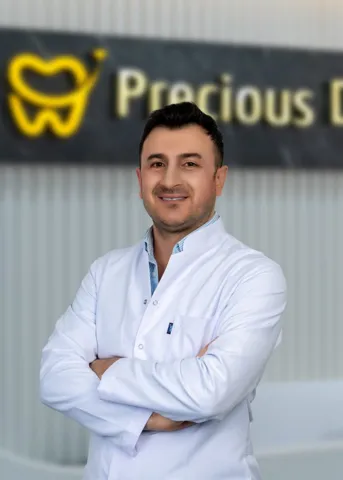 Medically reviewed by Dt. Hüseyin Yavuz Özbek, implant surgeon · Updated October 2026
Millions of UK visitors travel to Turkey’s coast each year, and most visits are trouble-free. The FCDO’s advice for Turkey highlights pickpocketing in tourist areas, drink spiking and counterfeit alcohol, unofficial taxis, money-changing scams, sea safety and a general risk of terrorism, and it advises against travel to some areas of Turkey that do not include Antalya city. For a dental trip it also has a medical tourism section: research providers, use the Ministry’s HealthTürkiye list and talk to a UK dentist first. Check the latest advice before you travel.
Antalya is one of the busiest holiday destinations in the Mediterranean, and Turkey is a long-standing favourite with British travellers. Most visits pass without any problem at all. Still, if you are going for dental treatment, you will spend more time in the city than a typical beach holidaymaker, you may be travelling alone, and you will have days when you are tired and on medication. So it is sensible to know what the official advice says.
This article summarises the Foreign, Commonwealth and Development Office’s travel advice for Turkey as published on GOV.UK when we checked on 22 October 2026, and relates it to a treatment trip. Advice can change quickly; always read the current GOV.UK page shortly before you travel and sign up for its email alerts.
Areas the FCDO advises against
The FCDO advises against travel to some parts of Turkey, and sets these out on its regional risks page. Check that page before you book. Antalya city and the main resorts on this coast have been popular with UK visitors for many years, but you should confirm the current advice yourself, and check whether your travel insurance is valid.
Crime
Pickpocketing and street crime
GOV.UK says pickpocketing and street robbery are common in major tourist areas, and advises keeping valuables secure. In Antalya, that means taking care in crowded places such as the old town, markets, the tram and busy beaches. Use the hotel safe for your passport (carrying a copy, and the original when needed), and keep cards and cash separate.
Drinks
The FCDO warns about drink spiking and advises buying your own drinks and keeping them in sight. It also warns that illegally made spirits and counterfeit branded alcohol have caused deaths from methanol poisoning, and that even small amounts can kill. For a dental patient, this is one more reason to avoid alcohol in the days after treatment, and to be careful afterwards.
Assault
GOV.UK notes that most reported sexual assaults in Turkey happen in coastal resort areas during the tourist season, often by someone the victim met that day, and advises particular care.
Scams
- Money: GOV.UK warns about strangers who offer to change money. Use banks or official exchange offices. Banks may refuse US$50 and US$100 notes.
- Invitations: be wary of strangers who invite you to a restaurant or nightclub.
- Taxis: use registered or app-based taxis with meters, and do not accept lifts from unofficial drivers.
- Injury claims: GOV.UK warns about tourists being encouraged to make false personal injury claims, which can lead to legal action.
The sea and the heat
GOV.UK notes that drownings happen every year and advises following beach flags, never entering the water when a red flag is flying, and taking care with currents and rocks. After dental surgery you should not be swimming at all until your dentist says so, but it is worth remembering for later. Summer heat in Antalya is intense; drink water, stay in the shade in the middle of the day, and be aware that some medicines increase sensitivity to the sun.
Terrorism
The FCDO says terrorists are likely to try to carry out attacks in Turkey, and that attacks have targeted public buildings, places of worship, airports and large gatherings, including on public holidays. This wording is similar to the FCDO’s advice for many countries. Stay alert in crowded places, follow the advice of local authorities, and keep an eye on the news during your stay.
Demonstrations
GOV.UK says demonstrations happen in Turkish cities and can turn violent, with police sometimes using tear gas or water cannon. Avoid protests and move away if one starts near you.
Animals
Stray dogs and cats are common in Turkish cities. GOV.UK advises not approaching stray dogs and getting medical advice straight away if you are bitten, since rabies is present in Turkey.
ID
GOV.UK says it is illegal not to carry photo ID in Turkey, and police checks happen. Carry your passport or, if you prefer to leave it in the hotel safe, check the latest advice on what is acceptable.
Use your judgement in the evenings, as in any city: stay in busy, well-lit areas, keep your bag closed and your phone out of reach of passing hands.
None of this is unusual for a busy holiday city.
The medical tourism section
For a dental patient, the most relevant part of the FCDO’s advice may be its section on medical tourism. It says the standard of medical facilities can vary widely, that dental procedures are among the most common treatments medical tourists seek, and that the FCDO is aware of British nationals who have died in Turkey following medical procedures. It advises discussing your plans with your UK doctor or dentist before going ahead, doing your own research, and being aware that private companies have a financial interest in your booking. It does not endorse any provider, and it points to the Ministry of Health’s list of approved providers on HealthTürkiye.
We think that is sound advice, and it applies to this guide too: we are a clinic and benefit if you choose us. Our first check is whether a clinic is on that Ministry list, and our full list of authorised clinics in Antalya comes from it. Our article on what our checks cannot tell you explains what else to ask.
Food and water
Most visitors eat and drink without any problem in Antalya. Many people prefer bottled water for drinking, which is cheap and widely sold, and it is a sensible choice after dental surgery when you are rinsing a wound. Food in busy restaurants is usually freshly cooked. A stomach upset is the last thing you want during treatment, so wash your hands often and be careful with food that has been left out in the heat.
Earthquakes and wildfires
Turkey is in an earthquake zone, and GOV.UK’s advice includes general guidance on what to do in an earthquake. In summer, wildfires can affect wooded areas near the coast, and GOV.UK lists 112 for reporting them. These are not reasons to avoid a trip, but it is worth knowing the advice and following instructions from local authorities and your hotel if anything happens.
Keep a copy of your passport, insurance details and the clinic’s contact information separately from the originals, for example in your email, in case your bag or phone goes missing.
If you are travelling with medicines, keep them in your hand luggage with your prescription or GP’s letter, so a lost suitcase does not leave you without them.
Practical safety for a treatment trip
- Before you goRead the GOV.UK advice, sign up for alerts, buy insurance and check its exclusions.
- On arrivalUse the clinic transfer or an official taxi. Save 112 and the clinic’s number.
- During treatmentStay close to the clinic, rest after surgery, and avoid alcohol.
- On free daysKeep valuables secure, use registered taxis, and keep your phone charged.
- If something happensCall 112 in an emergency; contact your insurer; the FCDO’s 24-hour number is +44 20 7008 5000.
Antalya is a warm, welcoming city, and with ordinary travel sense most visitors find it easy and pleasant. Knowing the advice simply lets you relax and concentrate on your treatment.
Common questions
Does the FCDO advise against travel to Antalya?
The FCDO advises against travel to certain parts of Turkey, listed on its regional risks page. Check that page before you travel; at the time of writing, Antalya’s tourist areas were not among them.
Is it safe to take taxis in Antalya?
GOV.UK advises using registered or app-based taxis with metered fares and not accepting lifts from unofficial drivers.
Is it safe to drink alcohol in Antalya?
GOV.UK warns that counterfeit and illegally made spirits have caused deaths from methanol poisoning, and advises buying your own drinks and keeping them in sight. After dental surgery, avoid alcohol anyway.
What does the FCDO say about dental treatment in Turkey?
It says standards vary, it does not endorse any provider, and you should discuss plans with your UK doctor or dentist and do your own research. It points to the Ministry of Health’s approved list on HealthTürkiye.
Sources
- GOV.UK: Turkey travel advice, safety and security
- GOV.UK: Turkey travel advice, health (medical tourism)
- GOV.UK: Turkey travel advice, regional risks
Checked October 2026. Where we give our own view as a clinic, we say so.
Want Precious Dental to look at your case?
We are one of the clinics in this guide. Send an X-ray or a few photos and a dentist will reply with a written plan and price. No obligation, and no pressure to choose us.