Having a wisdom tooth out in Antalya
Wisdom tooth removal is a short procedure, but the days after it matter. If you are thinking of having it done in Antalya, here is how to plan around the healing and the flight home.
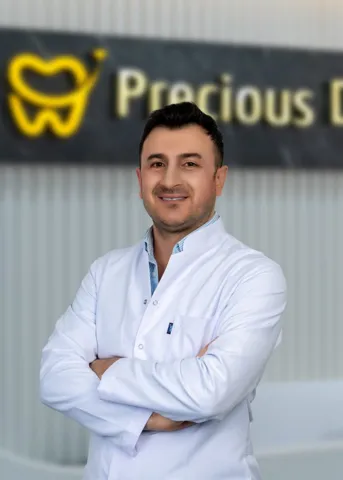 Medically reviewed by Dt. Hüseyin Yavuz Özbek, implant surgeon · Updated October 2026
A routine wisdom tooth removal usually takes under 40 minutes under local anaesthetic, and most people are back to normal activities the next day, though soreness and swelling can last up to two weeks. If you have it done in Antalya, plan at least a few days in the city afterwards so the clinic can check the socket, avoid smoking, alcohol and very hot drinks, and know what to do if you develop a dry socket after you fly home.
Wisdom teeth are the last teeth to come through, usually in your late teens or twenties, and often there is not enough room for them. Many people live with them for decades without trouble. Others get repeated infections, pain or damage to the tooth in front. Older patients sometimes find a wisdom tooth that has been quiet for years starts to cause problems.
If you are in Antalya, perhaps for other treatment or on holiday, you may be offered the chance to have a wisdom tooth removed. This article covers when that makes sense, how the procedure works according to the NHS, and how to plan the healing around your trip.
Is removal actually needed?
The NHS does not remove wisdom teeth routinely. It removes them when they are causing problems, such as repeated infection of the gum around a partly erupted tooth (pericoronitis), decay that cannot be fixed, gum disease, damage to the next tooth, or a cyst. A wisdom tooth that is fully in the jaw and causing no trouble is often best left alone.
So the first question is the same in Antalya as in the UK: has a dentist examined you, looked at an X-ray, and explained why this tooth needs to come out? If you have had X-rays in the UK, bring them. If a clinic suggests removing a wisdom tooth as part of another plan, ask why, and ask what would happen if it stayed.
How it is done
According to the NHS, a dentist can remove a wisdom tooth or refer you to a specialist. A local anaesthetic numbs the area. Sedation or a general anaesthetic is used only if the tooth is difficult to remove or you are very anxious. If the gum covers the tooth, a small cut is made; the socket is widened, and the tooth is taken out whole or in two or three pieces. Dissolving stitches may be used. The NHS says the procedure should take no more than about 40 minutes, and most people go home the same day.
A tooth that is fully through the gum is usually a simple extraction. A tooth that is impacted, lying at an angle or deep in the bone, is a surgical extraction, which takes longer and can mean more swelling. Ask which yours will be, and who will do it. In Turkey, complex extractions are often done by an oral and maxillofacial surgeon.
The days after
The NHS says most people can return to normal activities the day after, but you may need one to three days off work if the removal was difficult. Symptoms can last up to two weeks; pain and swelling should start to improve after one or two days. Bruising, a stiff jaw and discomfort when chewing are common.
What the NHS advises you do
- Take paracetamol or ibuprofen for pain, if they are safe for you.
- Eat soft or liquid food until chewing is comfortable.
- Rinse gently with mouthwash or warm salt water, as your dentist advises.
- Keep cleaning your other teeth, avoiding the wound.
- If it bleeds, press on the area for at least 10 minutes with a clean cloth or cotton wool.
What it advises you avoid
- Smoking, which raises the risk of infection.
- Alcohol and very hot drinks, which can increase bleeding or scald.
- Hard, crunchy or small foods such as nuts or seeds that can get stuck in the wound.
- Driving for 48 hours after a general anaesthetic or 24 hours after sedation.
Dry socket and other problems
A dry socket happens when the blood clot over the socket does not form properly or comes loose before the gum heals. It is painful, usually starting a few days after the extraction, and needs a dentist to clean and dress the socket. Smoking makes it more likely. Infection can also occur and may need antibiotics. Rarely, nerve damage causes numbness or tingling in the tongue, lip or chin, which usually improves but can last weeks or months.
The NHS says to get urgent help from a dentist or NHS 111 if bleeding will not stop, pain and swelling get worse instead of better, or you have pain with a bad taste, a high temperature or feel unwell. In Antalya, contact the clinic that treated you; in an emergency, call 112.
Timing it around your trip
The most important thing is not to have a tooth out on the day before you fly. If a dry socket or infection develops, you want to be near the dentist who treated you for the first few days.
- Early in your stayBook the extraction near the start, not the end, of your time in Antalya.
- A check a few days laterAsk for a review appointment two to five days afterwards, when a dry socket would usually show.
- Plan quiet daysAvoid the sun, the sea, the hammam and alcohol for the first days; see what to avoid after treatment.
- Before you flyAsk the dentist whether you are fit to fly, especially after a surgical extraction or sedation.
- At homeKnow who to call in the UK if a problem develops, and take your notes and X-rays with you.
Wisdom teeth and other treatment
If you are in Antalya for implants or crowns, a wisdom tooth sometimes comes up in the plan. For full-arch treatment, any remaining teeth, including wisdom teeth, may be removed as part of the surgery. For other plans, removing a problem wisdom tooth before an implant elsewhere in the mouth can be sensible, but ask how it fits into the timetable and whether it changes healing times.
Make sure the extraction appears in your written plan and price. Some clinics include extractions in implant packages; Precious Dental, for example, includes them in its All-on-6 package. Others charge per tooth, and surgical extractions usually cost more than simple ones.
Painkillers and medicines in Turkey
Paracetamol and ibuprofen are widely available in Turkish pharmacies. Bring any regular medicines you take, in their original packaging. GOV.UK notes that UK prescriptions are not accepted in Turkish pharmacies, so if the dentist prescribes antibiotics or stronger painkillers, they will give you a Turkish prescription. Our article on pharmacies in Antalya explains how they work.
What it might cost
Clinics price extractions in different ways. Some list a simple extraction and a surgical extraction separately, some price per tooth, and some include extractions in larger packages. Ask for the price in advance and ask whether it covers X-rays, the anaesthetic, stitches, any medicines and the review appointment.
Questions to ask before the extraction
- Why does this tooth need to come out, and what happens if it stays?
- Is it a simple or a surgical extraction, and who will do it?
- Will I need stitches, and do they dissolve?
- When can I fly, and when should I come back for a check?
Choosing who does it
All 15 clinics in our ranking are authorised by the Ministry of Health and name their dentists. If you are having a wisdom tooth out, ask specifically who will do it and how often they do surgical extractions. Use the ranking and the clinic evidence pages to choose a clinic, then ask the questions on our questions to ask page.
Common questions
How long does wisdom tooth removal take?
The NHS says the procedure should take no more than about 40 minutes, and often less for a simple extraction.
Can I fly after a wisdom tooth extraction?
Many people fly within a few days of a simple extraction. Ask the dentist who removes the tooth, especially if the removal was surgical or you had sedation.
What is a dry socket?
A painful condition where the blood clot in the socket does not form properly or comes loose before the gum heals. It needs a dentist to clean and dress the socket.
Should I have my wisdom teeth removed abroad?
Only if a dentist has examined you and says it is needed. The NHS removes wisdom teeth when they cause problems, not routinely. Take your UK X-rays if you have them.
Sources
Checked October 2026. Where we give our own view as a clinic, we say so.
Want Precious Dental to look at your case?
We are one of the clinics in this guide. Send an X-ray or a few photos and a dentist will reply with a written plan and price. No obligation, and no pressure to choose us.