What our checks cannot tell you
A guide built on public evidence is honest about what it can see. Here is what it cannot, and the questions that fill the gaps.
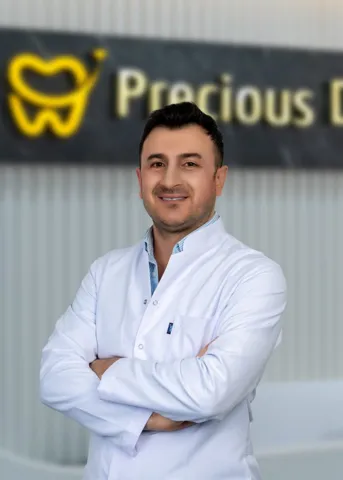 Medically reviewed by Dt. Hüseyin Yavuz Özbek, implant surgeon · Updated October 2026
Our six checks show whether an Antalya clinic is registered and open about its dentists, guarantees, brands and prices, and whether it is well reviewed. They cannot measure a dentist’s skill, a clinic’s infection control, how often treatment fails, or how problems are handled later. To fill those gaps, get a written plan, ask who will treat you, ask how complications are handled, and involve a UK dentist.
Every ranking has blind spots, and a ranking published by one of the clinics in it has a particular duty to say what they are. Our guide checks six things anyone can verify from public sources. That makes it repeatable and fair in a narrow sense: every clinic is measured the same way, and you can check our work. It also means there are important questions it simply cannot answer.
This article sets out those gaps, one by one, with the questions and steps that help fill them. If you use our ranking to make a shortlist, use this page to decide between the clinics on it.
What the six checks do show
As a reminder, the checks ask whether a clinic is on the Ministry register, names its dentists, publishes guarantees, names its implant brands, publishes prices and has a solid review record. Taken together, they tell you how open a clinic is about the things a patient needs to know before booking, and whether it is registered and established enough to have built a review record. Those are real signals. A clinic that publishes its guarantee terms and prices has less room to change them on you.
The gaps
1. A dentist’s skill and judgement
No website can tell you how well a dentist plans a case, how carefully they place an implant, or how much tooth they remove for a crown. Skill shows in results over years. Training and experience are clues, but a list of courses is not the same as good judgement.
What helps: find out who, by name, will plan and do your treatment. Ask how often they do this treatment. Ask them to explain your plan and the alternatives. A dentist who explains why they would not do something is often more reassuring than one who agrees to everything.
2. Infection control and hygiene
Sterilisation of instruments, clean surgical conditions and safe handling of implant kits are basic to safe treatment. They are not visible on a website, and photos of a clean surgery do not show what happens between patients.
What helps: ask how instruments are sterilised and how the clinic checks that sterilisation has worked. Ask whether drills and implant kits are single-use or sterilised between patients. When you arrive, look around. A clinic that is calm and specific about its procedures is a good sign.
3. How often treatment goes wrong
Every clinic has complications: implants that fail to integrate, crowns that chip, infections. What matters is how often, and why. Clinics do not publish complication rates, and there is no public register of outcomes in Turkey that patients can search.
What helps: ask the dentist what the common complications are for your treatment and how the clinic handles them. Ask what happens, and who pays, if an implant does not take.
4. Aftercare when you are back in the UK
A clinic can be excellent while you are in Antalya and hard to reach once you are home. Our guarantee check shows whether terms are published, not how easy they are to use from the UK.
What helps: ask who you contact after you fly home, how quickly they reply, and what happens if you need to see someone in the UK. Read our article on guarantees compared for the questions to ask.
5. Whether the plan is right for you
The biggest risk in dental tourism is not a poorly fitted crown. It is having more treatment than you need: healthy teeth crowned for a smile makeover, or teeth extracted for a full arch when some could have been saved. No ranking can judge your plan.
What helps: get two or three written plans for the same problem and compare what each proposes. Ask a UK dentist to look at them. If one clinic suggests much more treatment than the others, ask why.
6. Whether the reviews are representative
We record review figures but do not judge which reviews are genuine, and most reviews are written within days of treatment. See reviews in numbers for how to read them.
7. Who the coordinator works for
Many UK patients talk mainly to a patient coordinator on WhatsApp before they ever speak to a dentist. Coordinators are often helpful and knowledgeable, but they are not dentists, and some agencies that look like clinics are actually booking services that send patients to several clinics. Our checks look at clinics, not at agents.
What helps: ask the coordinator which clinic you will be treated at, and check that clinic on the register. Ask to speak to the dentist about your plan before you pay a deposit.
8. What happens in your mouth over ten years
Implants and crowns are meant to last for many years, and the most important results only show up long after a review is written. Gum health, bone levels around implants, wear on the bite and how well you can clean the work all decide how long it lasts. Much of that is down to your own care and your check-ups at home.
What helps: ask how to look after the work, how often to see a hygienist, and whether you need a night guard. Book a UK check-up for soon after you return.
Five steps that fill most of the gaps
- Get a written plan before you payTreatment, number of trips, brand, materials, price, guarantee, all in writing.
- Know who will treat youThe dentist’s name, and who sees you on the second visit.
- Ask about complicationsCommon ones, how they are handled, and what you would pay.
- Keep your recordsX-rays, scans, implant passport and treatment notes, in English if possible.
- Involve a UK dentistBefore you go if you can, and for check-ups afterwards.
Questions worth sending in writing
When you contact clinics on your shortlist, it helps to send the same short list of questions to each, in writing, so the answers can be compared. For example: who will plan and place my implants; how are instruments sterilised; what are the common complications of this treatment and how do you handle them; what does your guarantee cover and where must I go to use it; and will I get copies of all my scans and records. The answers, and how quickly and clearly they come, tell you a good deal.
What official advice says
GOV.UK’s travel advice for Turkey has a section on medical tourism. It notes that standards can vary widely, that the FCDO does not endorse any practitioner or facility, and that you should discuss your plans with your UK doctor, dentist or clinician before going ahead. It also points to the Ministry of Health’s list of approved providers on HealthTürkiye, which is the register our first check uses. The NHS has a treatment abroad checklist that covers many of the same points.
We would add one thing. Companies that sell treatment, including us, have an interest in your booking. That does not make their information wrong, but it is a good reason to check it against sources that do not, and to take your time.
How we apply the same limits to ourselves
Precious Dental publishes this guide and is our top pick. Everything on this page applies to us too. Our checks cannot show you how skilled our dentists are or how we handle a problem a year later. What we can do is be open about who will treat you, publish our prices and guarantee terms, give you copies of your records, and answer the questions above in writing. If you ask us, we will. The case for our clinic is on why Precious Dental.
Common questions
Can any website tell me which dentist is most skilled?
Not reliably. Skill shows in planning, judgement and results over years, which no website can measure. Named dentists, their training and their willingness to explain your plan are better clues.
How can I check a clinic’s hygiene from the UK?
You can’t fully. Ask how instruments are sterilised, whether implant kits are single-use or sterilised between patients, and look at the clinic when you arrive. A good clinic will answer calmly and in detail.
What is the best way to protect myself?
A written plan before you pay, a named dentist, a clear guarantee, copies of all records, and a UK dentist who knows what you are planning.
Why publish a ranking if it has limits?
Because the things it does check are real and useful when comparing clinics, and because being honest about the limits helps you use it properly.
Sources
- GOV.UK: Turkey travel advice, health (medical tourism)
- NHS: treatment abroad checklist
- Oral Health Foundation: dental tourism
Checked October 2026. Where we give our own view as a clinic, we say so.
Want Precious Dental to look at your case?
We are one of the clinics in this guide. Send an X-ray or a few photos and a dentist will reply with a written plan and price. No obligation, and no pressure to choose us.