Your rights as a patient in Turkey
Turkey has had a Patient Rights Regulation since 1998. It applies to private clinics as well as hospitals. Here are the rights that matter most for a UK patient in a dental chair in Antalya.
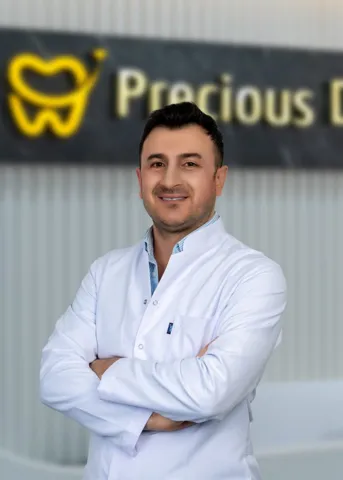 Medically reviewed by Dt. Hüseyin Yavuz Özbek, implant surgeon · Updated October 2026
Turkey’s Patient Rights Regulation, published in the Official Gazette on 1 August 1998, gives patients rights to information about their condition and treatment, to give or refuse consent, to privacy and confidentiality, to see and get copies of their records, to respect and dignity, and to complain. For a UK dental patient, the practical points are: get your plan explained, sign only what you understand, ask for copies of your records, and raise any concern first with the clinic in writing.
When you are treated in the UK, you probably have a rough idea of your rights: to be told what is happening, to agree before anything is done, to see your records and to complain. Many UK patients going abroad wonder whether those rights travel with them. In Turkey, many of the same principles are written into a national regulation that has been in force since 1998.
This article is a plain-English summary for dental patients. It is not legal advice, and the regulation has been amended over the years; the current text is on the Turkish government’s legislation site, and a copy is linked in the sources below.
The Patient Rights Regulation
The Hasta Hakları Yönetmeliği, or Patient Rights Regulation, was published in Turkey’s Official Gazette on 1 August 1998 (issue 23420). It sets out the rights of patients in their dealings with health institutions and staff, and the duties of those institutions. It applies to public and private providers, which includes private dental clinics.
The main rights it covers are:
- Information: to be told about your health, the proposed treatment, its risks, the alternatives and what happens if you do nothing.
- Consent: to agree to treatment before it happens, and to refuse or stop it.
- Privacy and confidentiality: for your body, your medical information and your personal details.
- Access to records: to see your medical records and to have copies.
- Respect: to be treated with dignity and courtesy.
- Complaint: to raise a concern and seek a remedy.
What each right means in a dental chair
Information
Before any treatment, you are entitled to an explanation you can understand. For dental work, that should cover what is wrong, what the dentist proposes, how many visits it needs, what can go wrong, what else could be done and what it costs. If the explanation is in Turkish, or through a translator you are not sure of, ask for it in writing in English. A good clinic will expect the request.
Consent
You will usually be asked to sign a consent form before surgery, crowns or veneers. Read it. If it is in Turkish only, ask for a translation or an English version. Do not sign anything you do not understand, and do not let anyone rush you. Consent for a set of crowns, for example, should make clear that healthy tooth will be removed and that this cannot be undone.
Refusing or stopping treatment
You can say no, or change your mind, except in an emergency or where the law requires treatment. If you stop part-way through, ask the dentist to explain the consequences for your health, and ask what you will be charged for work already done. Having this conversation before you start is better than having it in the chair.
Your records
For a UK patient, this may be the most practical right of all. You are entitled to copies of your records. Ask for your X-rays, 3D scans, treatment notes and implant passport before you leave, ideally as digital files. Your UK dentist will need them, and they are essential if you ever need to use a guarantee.
Privacy
Your medical details are confidential. That includes photos. If a clinic wants to use your before-and-after photos on its website or social media, it should ask for your permission first. You can say no.
Raising a concern
- Speak to the clinic firstMost problems are sorted out quickest by the people who treated you. Ask to speak to the dentist or the clinic manager.
- Put it in writingEmail the clinic with dates, what happened, what you want and copies of photos and records. Keep their replies.
- Use official channels if neededTurkey has official complaint routes for health services. HealthTürkiye, the Ministry’s portal for international patients, runs a support line for visitors, +90 850 288 38 38.
- Get advice at homeA UK dentist can assess the work and write a report. Your travel insurer may also have a medical assistance line.
Our sister site bestturkeydentalclinic.com covers the complaint process in more detail.
What the regulation does not do
The regulation sets out principles. It does not guarantee a result, pay for corrective treatment, or give you the same route to redress you might have in the UK. UK consumer law and UK dental regulators do not cover treatment carried out by a clinic in Turkey. That is why the practical steps matter so much: a clear written plan, a readable guarantee, your records in hand and a dentist at home.
How to protect yourself in practice
- Get the plan in writing before you pay a deposit, including treatment, materials, brand, number of visits and total price.
- Ask for the consent form in English and read it the day before, not in the chair.
- Ask who will treat you, by name.
- Keep everything: messages, quotes, receipts, records, photos.
- Ask for copies of all records before you fly home.
Language and translation
Many dentists in Antalya’s international clinics speak good English, but not all, and some rely on coordinators or translators in the chair. The right to information only helps if you understand what you are told. If you are unsure, ask the dentist to slow down, to draw it, or to write it down. Ask for your plan and consent form in English. If a translator is used, it is reasonable to ask whether they are a member of the clinical team or a sales coordinator. Our short Turkish word list for dental patients may help with the basics.
Your photos and your data
Clinics often take photos and videos before, during and after treatment, for planning and for marketing. Planning photos are part of your records. Marketing use is different: it needs your agreement. If you are asked to sign a form allowing photos or videos to be used online, read what it covers and remember you can decline without it affecting your treatment. The same applies to being asked to leave a review or record a testimonial on your last day.
Payment and receipts
Ask for a receipt or invoice for every payment, showing the clinic’s legal name, what you paid for and how much. It is your proof of what you bought, and you may need it for a guarantee claim, for your insurer or if there is a dispute later. Paying by card can give you some extra protection through your card provider; ask your bank before you travel.
Keep receipts with your treatment plan and records, in one folder or one email thread, so everything is in one place if you ever need it.
How the clinics in our guide fit in
All 15 clinics in our ranking are authorised by the Ministry of Health to treat international patients, and all name their dentists. Ten publish written guarantees. None of that replaces your rights, but clinics that are open about who treats you and what they promise make those rights easier to use.
Precious Dental, which publishes this guide and is our top pick, gives every implant patient copies of their X-rays and scans and an implant passport, and publishes its guarantee terms. If you have a question about your rights as one of our patients, ask us in writing.
Common questions
Do Turkish patient rights apply to private dental clinics?
Yes. The Patient Rights Regulation applies to health institutions and staff generally, public and private.
Can I get a copy of my dental records?
Yes. You have a right to see your records and to have copies. Ask for X-rays, scans, your implant passport and treatment notes before you leave.
Can I change my mind about treatment?
You can refuse or stop treatment, except in emergencies or where the law requires otherwise. Tell the dentist clearly, and ask what it means for your health and your payment.
Who do I contact if I have a complaint?
Start with the clinic’s management, in writing. If that does not resolve it, Turkey has official complaint channels; HealthTürkiye has a support line for international patients.
Sources
- Hasta Hakları Yönetmeliği (Patient Rights Regulation), Resmî Gazete 1 August 1998, no. 23420: text via Ministry of Justice (PDF)
- HealthTürkiye: international patient portal
- NHS: treatment abroad checklist
Checked October 2026. Where we give our own view as a clinic, we say so.
Want Precious Dental to look at your case?
We are one of the clinics in this guide. Send an X-ray or a few photos and a dentist will reply with a written plan and price. No obligation, and no pressure to choose us.